
Ignite Resource Library
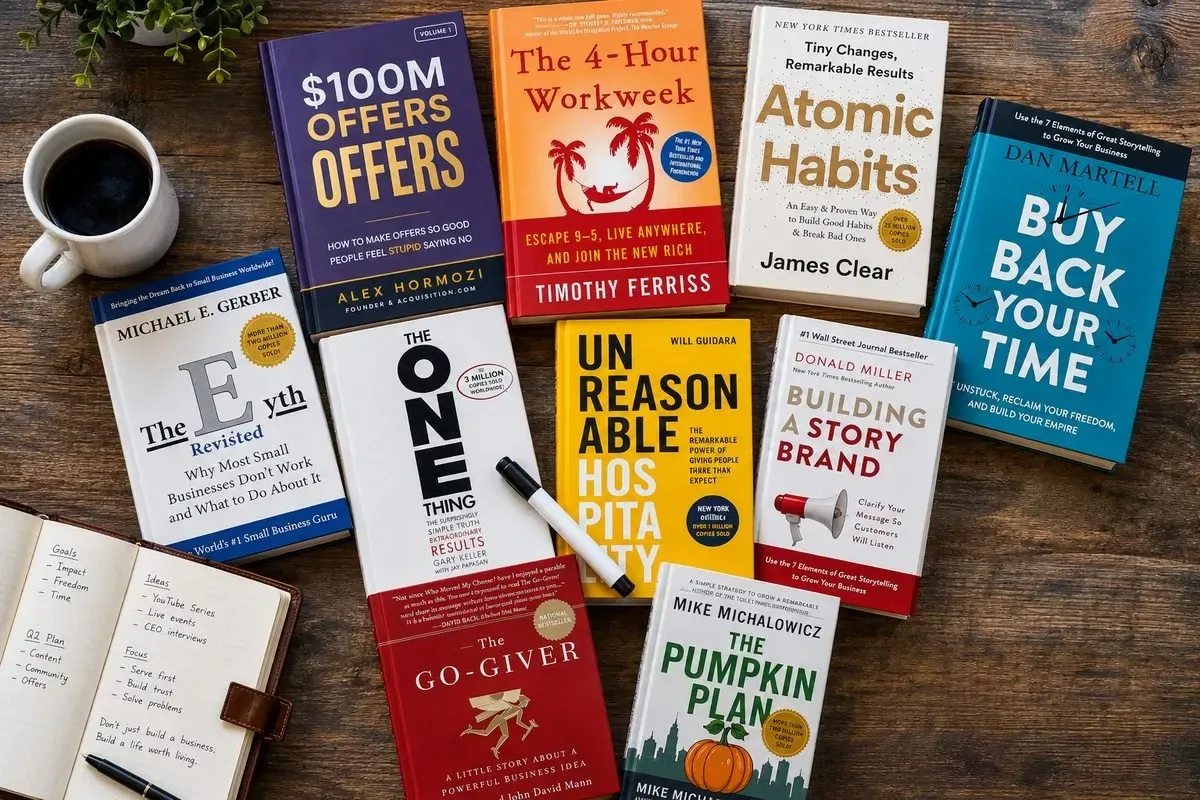
The Books Every Business Owner Should Read — Already Broken Down For You
You don't have time to read 10 books. So I did. Here's what actually mattered — and one move you can make from each.


BOOK SUMMARY
$100M Offers
Alex Hormozi · 2021
BOOK SUMMARY · 10 TEACHING POINTS · AUDIO SUMMARY · READ
Most businesses don't have a marketing problem. They have an offer problem.
Why This Book?
Hormozi is loud, direct, and occasionally abrasive. His style is not my style. But the framework underneath the style is one of the most practically useful things I've encountered for the specific problem that quietly kills most small businesses: not the market, not the competition, not even the marketing. The offer.
Most business owners are selling a commodity and wondering why they have to compete on price. The answer is almost always the offer. Not the service — the offer. The way the value is packaged, presented, and perceived. This book is the most direct and actionable guide I've found for fixing that specific problem.
One honest note upfront: Hormozi's tone and some of his tactics are built for a different kind of market than most of us operate in. The aggressive scarcity plays, the high-pressure sequencing — those don't translate into a relationship-first environment.
What does translate is the core framework: understand the dream outcome, build the value equation, stack the outcomes, make the price feel small relative to what's being received. That framework works anywhere.
The book is Hormozi's. The application and the lens are mine. Where you see MY TAKE, that's me responding to the author's point from 27 years of being in business — what I agree with, what I'd push back on, and what I've actually seen.
The Offer Problem
Most businesses don't have a marketing problem. They have an offer problem. Hormozi's entire book is built on that one insight.
Everything else — the value equation, the outcome stacking, the guarantee, the price presentation sequence — is the architecture for fixing it.
If your offer were truly excellent, selling would feel like order-taking. If it currently feels like pushing, this is the book to start with.
Key Lessons From the Book
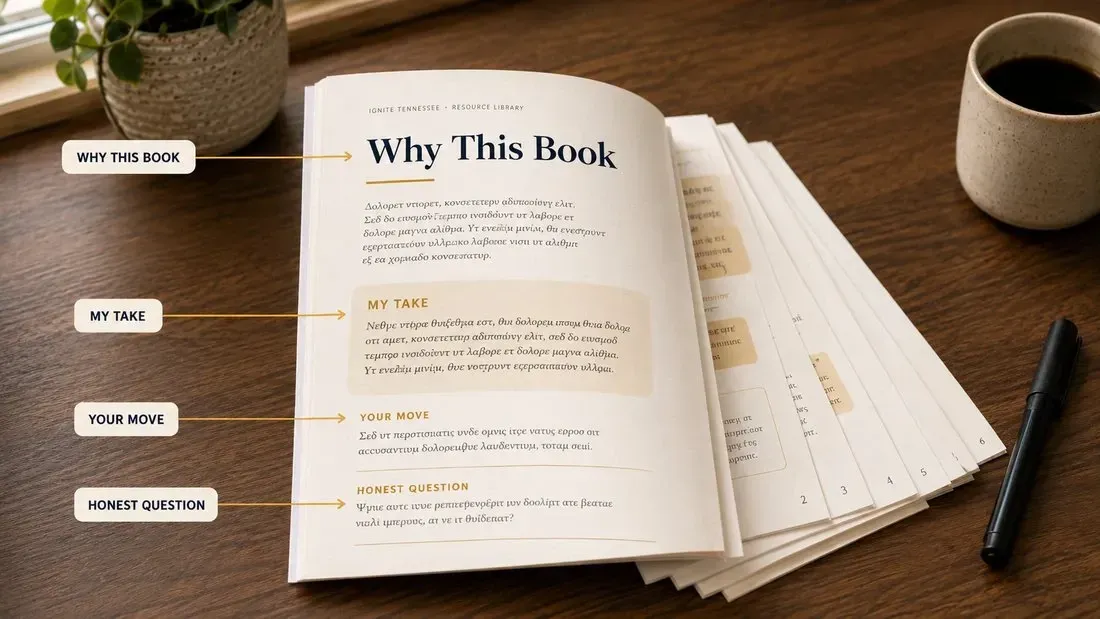
Each point includes the framework, my perspective, the key principles, a quote from Hormozi, your move, and the honest question.
The question is the one you probably don't want to answer. That's exactly why it's there.
- 01 The market matters less than the offer
- 02 Price on perceived value, not cost
- 03 The value equation
- 04 Niche down until it hurts
- 05 Stack the value, not the features
- 06 The guarantee reverses the risk
- 07 Create honest urgency and scarcity
- 08 Name the dream outcome in client language
- 09 Volume of value
- 10 The Grand Slam Offer is a business model
01. The market matters less than the offer
Hormozi opens with something that sounds almost arrogant until you sit with it long enough: a great offer in a bad market outperforms a bad offer in a great market.
Most business owners spend enormous energy worrying about the market. Is the timing right? Is the competition too thick? Is the economy cooperating? And all of that concern is legitimate — except it's aimed at the wrong variable.
The market is the audience. The offer is the message. And a message so clear, so specific, and so disproportionately valuable to the right person will find its buyer regardless of market conditions.
The commodity offer has to fight for attention because it looks like everything else. The Grand Slam Offer creates its own category. In its own category it has no competition.
I think this is one of the most liberating ideas in the book. Because most business owners I've encountered spend years blaming the market for a problem that lives in their offer.
The market didn't change. The offer never got built correctly in the first place. There's a meaningful difference between a market problem and a positioning problem — and most of what gets called a market problem is actually the second one.
- A commodity offer in a great market still competes on price. Always.
- A Grand Slam Offer creates its own category. In its own category it has no competition.
- Blaming the market is almost always a distraction from the offer problem underneath it.
- The question is never “is this a good market?” It's “is this offer good enough for this market?”
— Alex Hormozi
Write a one-sentence description of your core offer from the client's perspective — not what you do, what they receive. Read it back. Would a stranger immediately understand the specific value and feel drawn toward it, or would they need a follow-up explanation?
If your offer required no explanation to close — if a prospect could read one sentence and immediately say “I need that” — what would that sentence need to say that yours currently doesn't?
02. Price on perceived value, not cost
The way most service business owners set their prices is: figure out what it costs to deliver, add a margin that feels fair, and name a number.
It's logical. It's also the formula for permanently undercharging.
Hormozi's inversion is simple but most owners resist it: price based on what the outcome is worth to the buyer, not what the service costs the seller.
Those two numbers are rarely the same. The gap between them is the pricing opportunity — and most owners never claim it because they haven't made the value visible enough to justify it.
A $2,000 offer that saves a client $40,000 a year is not a $2,000 offer. It's a $40,000 conversation priced at $2,000. The client who understands the math isn't questioning the price. They're wondering why it's so low.
Pricing from cost feels safe and honest. It feels like you're not taking advantage of anyone. But there's a quiet dishonesty in it too — because cost-plus pricing often means you're leaving the client without a clear picture of what the result is actually worth to them.
I had a client in Shelbyville recently — solid service, legitimate results, charging about a third of what the outcome justified.
Not because the market couldn't bear more. Because he'd never done the math on what he was actually producing. When you make the value visible and price against it, you're not being aggressive. You're being clear. Those are very different things.
- Cost-plus pricing is logical and almost always leaves significant money on the table.
- Value-based pricing requires knowing specifically what the outcome is worth to the buyer.
- The client does not care what it costs you to deliver. They care what it produces for them.
- The gap between cost and value is the pricing opportunity.
— Alex Hormozi
For your core service, write down the specific financial or operational result a client receives. Quantify it in their terms — dollars saved, revenue generated, hours recovered, problems eliminated. Then look at your price next to that number and ask whether the ratio makes sense.
If your best client sat across from you right now and you had to justify your price in terms of what they actually received — not what you delivered, what they received — could you do it without flinching?
03. The value equation: four variables that determine perceived value
This is the most operationally useful framework in the book. Hormozi identifies four variables that determine how much value a prospect perceives in any offer.
Dream outcome: What does winning actually look like for this client? Not your version of winning. Theirs.
Perceived likelihood of achievement: How confident are they that you specifically can deliver it? This is where trust lives in the value equation.
Time to result: How long before they see progress? The longer the delay, the lower the perceived value.
Effort and sacrifice required: How hard is it for them to get the result? The harder it is, the less valuable the offer feels.
Increase the first two. Decrease the last two. Meaningful movement in even one of them changes the entire conversation.
The perceived likelihood variable is the one I spend the most time thinking about. It's where trust lives in the equation — and trust isn't built by the offer itself. It's built before the offer is ever made.
By the time someone is looking at your offer, the likelihood variable is already set by everything that preceded that moment. That's why content, community, and reputation aren't separate from sales. They're the upstream of it.
- Dream outcome: articulate their win in their language, not yours.
- Perceived likelihood: your proof, track record, and trust.
- Time to result: the faster they see progress, the more valuable the offer feels.
- Effort required: the easier you make it for them, the more they'll pay for it.
— Alex Hormozi
Apply the four variables to your core offer right now. Write down one specific change you could make to each variable — not a complete redesign, one change — that would increase perceived value without touching the price.
Which of the four variables is most broken in your current offer — and have you been treating it as a marketing problem when it's actually an offer design problem?
04. Niche down until it hurts, then niche down again
The instinct of most business owners is to stay broad. If you serve everyone you have more potential clients. If you specialize you might miss people.
It's a logical fear. It's also exactly backwards. Hormozi's principle: the more specific the problem you solve, the more you can charge to solve it.
Specificity is a trust signal. When someone reads an offer that describes their exact situation, their exact problem, and their exact desired outcome — in language that sounds like they wrote it themselves — they don't compare you to alternatives. They feel found.
I've seen business owners in every industry resist this principle for the same reason — it feels like leaving money on the table.
What I've consistently observed is the opposite. The more specific the offer, the less friction in the sale.
A roofing contractor in Rutherford County I worked with was trying to serve every homeowner in the area. The moment he got specific — storm damage claims, insurance-heavy jobs, a defined territory — the conversation changed completely. He stopped competing and started being chosen.
- Breadth feels safe. Specificity creates genuine resonance with the right buyer.
- The prospect who feels found doesn't shop around.
- Your ideal client should think: “This was written specifically for me.”
- Niching down is a positioning decision that can command premium pricing.
— Alex Hormozi
Write your ideal client description in three sentences: their specific situation, their specific problem, and the specific outcome they want. Then read your current marketing and ask how closely it reflects those three sentences.
Are you staying broad because your offer genuinely serves everyone — or because narrowing down feels like leaving money on the table, and have you ever actually tested whether that fear is true?
05. Stack the value, not the features
A feature is what your service includes. An outcome is what the client experiences as a result.
Most business owners lead with features because features are what they control and understand. The client doesn't buy features. They buy outcomes.
An offer that stacks multiple specific outcomes — that paints a clear picture of what life looks like after they engage with you — produces a perception of value that no feature list can match.
Don't tell them what you do. Tell them what they get. What changes. What problems disappear. What becomes possible. Lead with the transformation, not the transaction.
This distinction between features and outcomes is one of those things that sounds obvious when you read it and then you look at your own marketing and realize you've been doing it wrong.
Most service businesses lead with what they do because that's what they're proud of and what they understand.
The client doesn't care what you do. They care what their life looks like after you've done it. Those are very different conversations and they produce very different results.
- Features are what is included in the service. Outcomes are what the client experiences because of it.
- No one gets excited about the mechanism. They get excited about the result.
- Every feature has an outcome attached to it. Lead with the outcome.
- Stacking specific outcomes creates stronger value perception.
— Alex Hormozi
List every feature your core service includes. Next to each one, write the specific outcome it produces for the client. Now rewrite your offer using only the outcomes column. Compare the two versions and notice which one you'd rather receive.
How much of your current marketing describes what you do rather than what the client gets — and if a prospect read only the outcomes version of your offer, how different would their response be?
06. The guarantee reverses the risk
Most service business owners avoid guarantees for the same reason: fear of being taken advantage of.
Hormozi's reframe is precise: the guarantee isn't primarily about the clients who invoke it. It's about the clients who don't.
The prospect sitting on the fence has one primary objection — fear of a bad outcome.
A well-constructed guarantee eliminates that objection before it's voiced. It transfers the risk from the buyer to the seller.
The guarantee conversation is really a confidence conversation in disguise.
If you can't design a guarantee you'd stand behind, that's information worth having — either about your delivery or about your belief in it.
I've found that the owners most resistant to offering a guarantee are often the ones whose delivery is actually the strongest. The reluctance isn't about the service. It's about the fear of being taken advantage of.
- The guarantee is a conversion mechanism and confidence signal.
- The prospect's primary resistance is fear of a bad outcome.
- If you can't design a guarantee you'd stand behind, that's useful information.
- Its existence can move prospects from fence to committed.
— Alex Hormozi
Write a guarantee for your core offer in one sentence. Make it specific — not “satisfaction guaranteed” but the actual result you're committing to. Then ask whether you'd put that guarantee in your next proposal.
If you're reluctant to offer a strong guarantee, is it because your delivery genuinely can't support it — or because you haven't yet built the confidence to own what you actually produce?
07. Create urgency and scarcity without being dishonest
Urgency and scarcity work. The problem isn't the principle. The problem is how most people apply it — with manufactured deadlines, fake limited spots, and countdown timers that reset the moment they hit zero.
Real scarcity is just as powerful as manufactured scarcity — and it's actually true.
If you genuinely only take a certain number of new clients each quarter, say so. If you genuinely have one opening this month, say that.
The honest constraint, communicated clearly, creates all the urgency you need without the trust erosion that follows the manufactured version.
In a relationship-first market like Middle Tennessee, manufactured scarcity doesn't just fail — it spreads.
Word travels in Murfreesboro and Shelbyville faster than most people realize. The moment a buyer feels pushed rather than invited, something shifts that's hard to recover.
Most owners manufacture scarcity because they don't believe their real constraints are compelling enough. They underestimate how powerful honest capacity limits actually are when communicated directly.
- Urgency and scarcity work. The issue is honesty.
- Manufactured scarcity can damage trust in a relationship-first market.
- Real constraints create genuine urgency without trust erosion.
- Only use scarcity you'd be comfortable explaining directly to a client.
— Alex Hormozi
Identify one genuine constraint in your business — capacity, time, enrollment windows — that creates real scarcity. Write down how you'd communicate it honestly in your next client conversation or proposal.
Are there any urgency or scarcity elements currently in your sales process that you'd be uncomfortable explaining to a client if they asked directly how real they were?
08. The dream outcome must be named in the client's language
This is where most business owners lose the offer before they've even started.
They describe the dream outcome in industry language — the terms they know, the metrics they track, the deliverables they're proud of.
The client hears words they don't fully own and feels a distance from the offer rather than a connection to it.
The most powerful marketing copy is the exact words your best clients use to describe their own problem.
When a prospect reads your offer and thinks, “that's exactly what I said when I described this problem,” that's the moment the sale begins.
There's a meaningful difference between describing your service and reflecting a client's experience back to them. The first is about you. The second is about them.
The fastest way to close that gap is to stop guessing what clients think and start listening to what they actually say.
- Industry language creates distance. Client language creates recognition.
- Your clients' words are powerful marketing copy.
- Recognition can begin the sale before price is discussed.
- You don't create this language. You collect it.
— Alex Hormozi
This week, ask one current client to describe the problem they had before working with you. Record their exact words. Then compare those words to how you currently describe the problem in your marketing. The gap between those two descriptions is your offer work.
When did you last have a real conversation with a client specifically to understand how they describe their own problem — and are you actually using those words anywhere in your current offer?
09. Volume of value: make the price feel small
The Grand Slam Offer isn't constructed to sound expensive. It's constructed to make the price feel like a fraction of what's being received.
Hormozi's presentation sequence: reveal the value component by component, name a standalone value for each component, stack the total, then reveal the actual price.
When executed correctly the prospect has been walking through a growing picture of value before they ever hear a number.
Price is never experienced in isolation. It's always experienced in relation to something.
Most business owners let the prospect supply their own comparison point, which is almost always the competitor's price. The volume of value presentation makes you the comparison point.
The sequencing matters more than most owners realize. Price presented before value creates resistance. Price presented after a fully built value stack creates relief.
Same number. Completely different emotional experience.
I watched a business owner in Murfreesboro completely change his close rate not by changing his price or his service — just by changing the order in which he presented things. The presentation is part of the offer. Most owners treat it as an afterthought.
- Price is never experienced in isolation. It's always relative to something.
- Reveal value components before the price.
- Name a standalone value for every component before you total it.
- The value stack changes the comparison point.
— Alex Hormozi
Rebuild your core offer presentation using the volume of value sequence: list each component, name its standalone value, total the stack, then reveal your price. Write it out fully before your next sales conversation.
In your current sales process, does the prospect hear the price before or after they've fully understood the value — and if they hear it first, what exactly are you asking them to compare it against?
10. The Grand Slam Offer is a business model, not a price point
This is where Hormozi elevates the entire framework from tactics to strategy.
The Grand Slam Offer isn't a presentation technique. It isn't a way to dress up what you already sell.
It's the result of fundamentally rethinking what you deliver and how you package it — starting from the client's dream outcome and working backward to the delivery model that produces it reliably.
The offer and the business model are the same thing.
A business that has a Grand Slam Offer has built something genuinely difficult to compete with — not because of marketing, but because the value is so clear, so specific, and so disproportionate to the price that the comparison never quite works in the competitor's favor.
The deepest insight in this book for me is that the offer and the business model aren't separate things.
Most owners think about their business model first and their offer second. Hormozi argues it should be the other way around.
Start with what the client most wants and can't easily get anywhere else. Then build backward to a delivery model that produces it. That sequence changes everything about how the business gets designed.
- The Grand Slam Offer starts with the client's dream outcome and works backward.
- The offer and the business model are the same thing. One reveals the other.
- Offer precision is a competitive advantage for small businesses.
- A strong offer can create a category rather than compete on price.
— Alex Hormozi
Start with your best client's dream outcome — the specific result they most want. Work backward: what would you need to deliver, and how would you need to deliver it, for that outcome to be reliably produced? Write that delivery model down. That's the beginning of your Grand Slam Offer.
If you stripped away your current pricing and delivery model entirely and rebuilt it from scratch starting with your best client's dream outcome — would what you build look meaningfully different from what you have now?
Clarity of Value
Hormozi's core argument is really about one thing: clarity of value.
When the value is clear — genuinely, specifically, demonstrably clear — price resistance nearly disappears. Not because you've manipulated anyone. Because the math is obvious.
Most owners have more value to offer than their offer currently communicates. The gap between what they deliver and what the prospect perceives is the offer problem. And the offer problem is fixable.
Read this book for the framework. Adapt it for your market. And sit with the honest question at the end of every teaching point — especially the ones that made you slightly uncomfortable.
— Alex Hormozi
What's inside every guide
Same format, every time — so you always know where to find the part that matters.
OFFERS
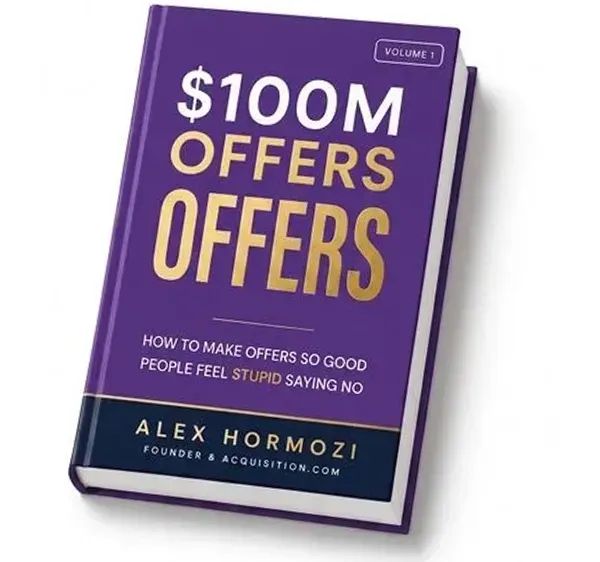
$100M Offers
Alex Hormozi
TIME
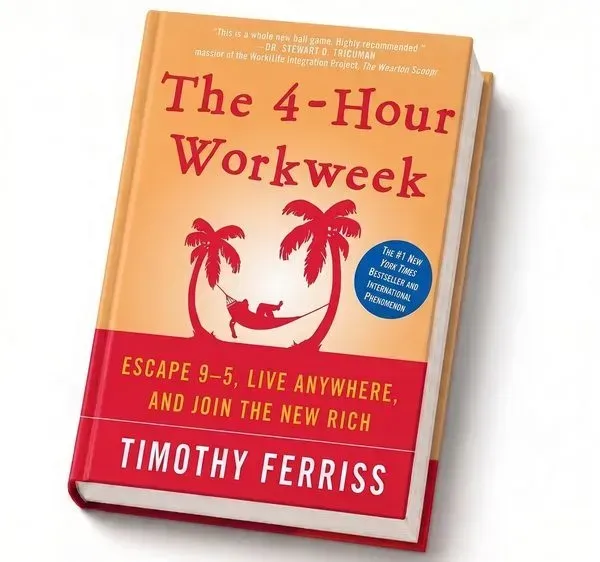
The 4-Hour Workweek
Timothy Ferriss
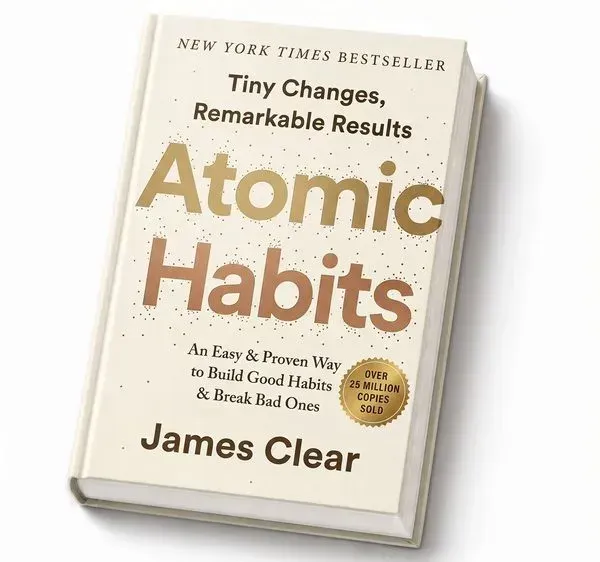
HABITS
Atomic Habits
James Clear
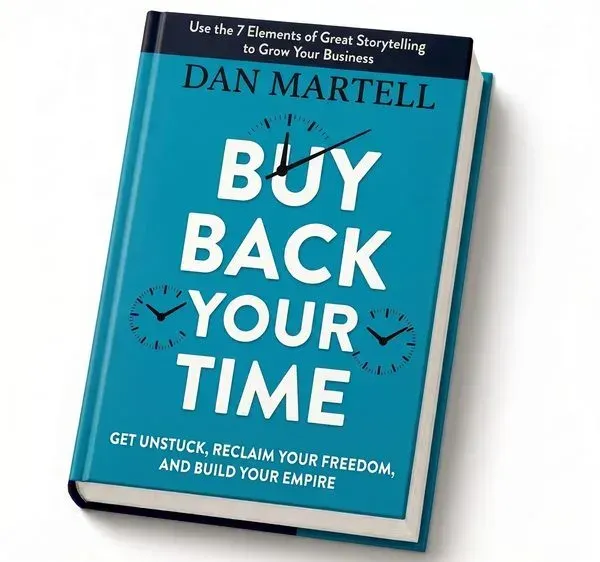
TIME
Buy Back Your Time
Dan Martell
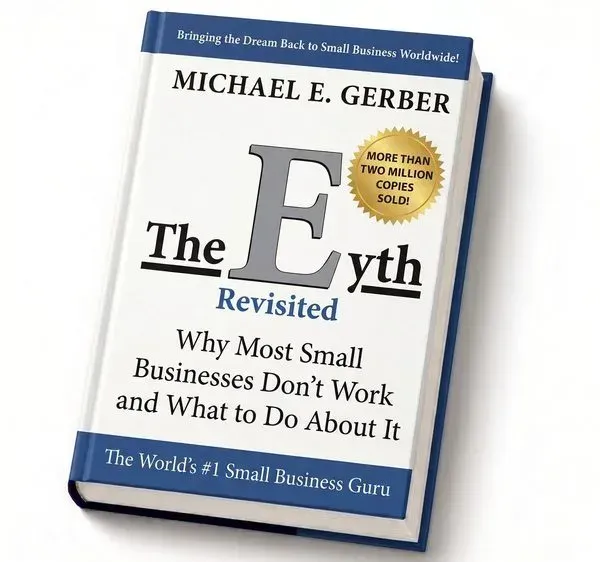
SYSTEMS
The E-Myth Revisited
Michael E. Gerber
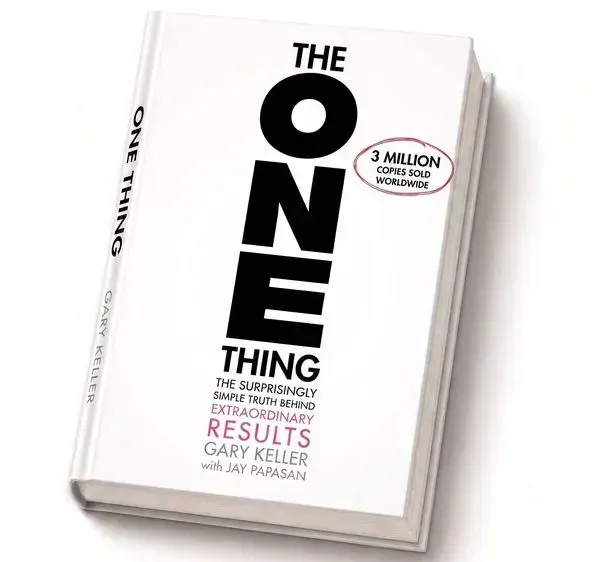
FOCUS
The ONE Thing
Gary Keller
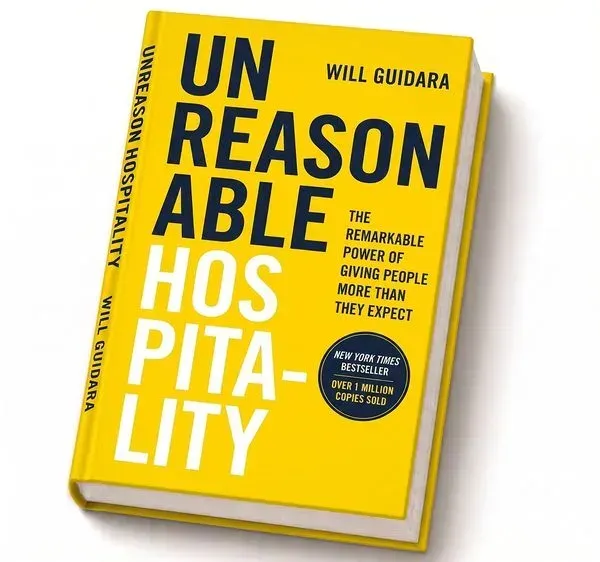
SERVICE
Unreasonable Hospitality
Will Guidara
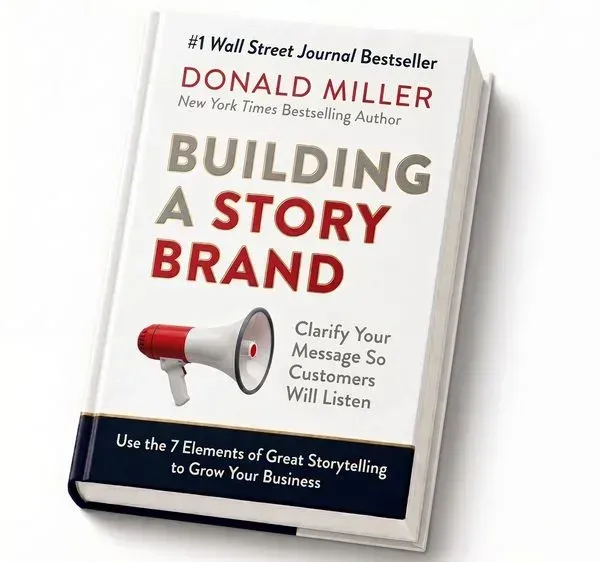
MARKETING
Building a StoryBrand
Donald Miller
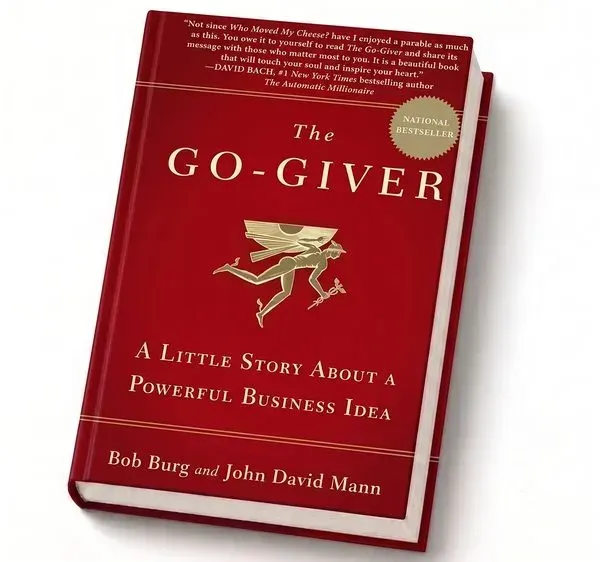
MINDSET
The Go-Giver
Bob Burg & John David Mann
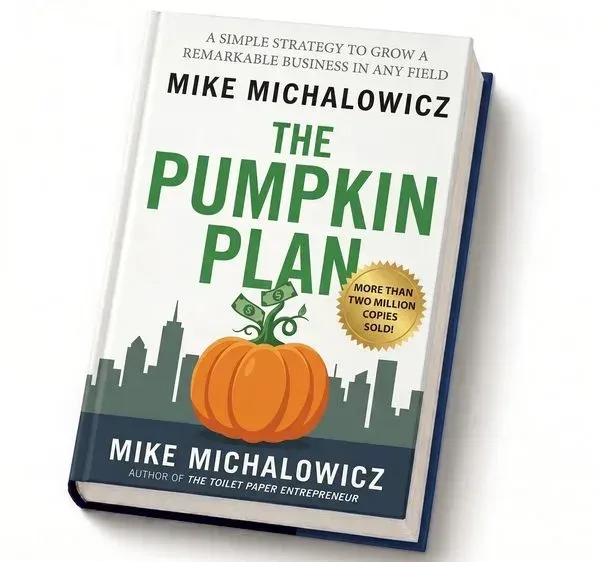
GROWTH
The Pumpkin Plan
Mike Michalowicz
Free Facebook Community
Stop figuring it out alone.
Join the Ignite Tennessee Facebook Group, where Middle Tennessee business owners connect, share what's working, and keep the learning going all month long.
No cost. No pitch. Just Middle Tennessee entrepreneurs.
© 2026 Cory Enterprises LLC. Privacy Policy Terms of Use
Ignite Tennessee Small Business Academy — Founded by Steve Cory, Shelbyville, TN A Cory Enterprises LLC platform


© 2026 Cory Enterprises LLC. Privacy Policy Terms of Use
Ignite Tennessee Small Business Academy — Founded by Steve Cory, Shelbyville, TN A Cory Enterprises LLC platform